Now accepting new patients. (305) 672-8676
Clinical Note
Athletic Recovery & Return to Play
A sports-medicine approach to getting athletes back
Getting back in the game
Recover like an athlete.
Return better than before.
Recover like an athlete. Return better than before.
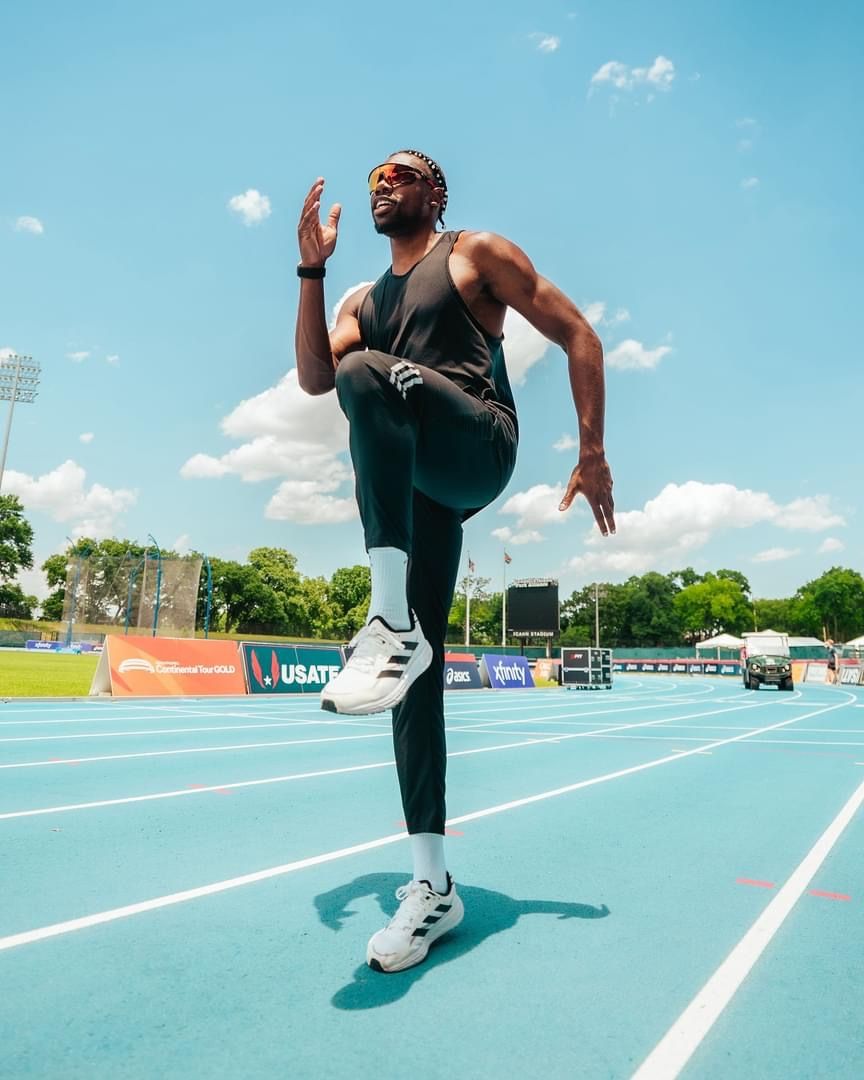
Sports injuries are rarely just about pain. They are problems of movement, biomechanics, and load tolerance — and successful recovery requires more than temporary symptom relief. Here's how a chiropractic sports medicine specialist actually works.
Dr. Todd Narson, DC, DACBSP®
Board-Certified Chiropractic Sports Medicine Specialist · Miami Beach, FL
What This Isn't
Care is not based on outdated "bone out of place" theories or passive treatment models. It's function-driven, not protocol-driven — built on how athletes actually move.
i. How sports injuries really work
Problems of movement and function.
I
n real-world sports medicine practice, injuries almost never occur in isolation. An Achilles strain, shoulder impingement, or low back injury often reflects underlying dysfunction elsewhere in the body.
As a Diplomate of the American Chiropractic Board of Sports Physicians (DACBSP®), Dr. Narson evaluates how the entire kinetic chain functions under load — not just where symptoms are felt. This movement-based assessment reflects modern sports medicine standards used in collegiate, professional, and elite athletic environments.
What "minor" injuries actually do when you don't treat them.
A pulled muscle, joint sprain, or nagging tendon irritation may seem minor at first — but untreated injuries create compensatory movement patterns. Here's the cascade that follows.
i. How sports injuries really work
Problems of movement and function.
I
n real-world sports medicine practice, injuries almost never occur in isolation.
An Achilles strain, shoulder impingement, or low back injury often reflects underlying dysfunction elsewhere in the body.
As a Diplomate of the American Chiropractic Board of Sports Physicians (DACBSP®), Dr. Narson evaluates how the entire kinetic chain functions under load — not just where symptoms are felt. This movement-based assessment reflects modern sports medicine standards used in collegiate, professional, and elite athletic environments.
What "minor" injuries actually do when you don't treat them.
A pulled muscle, joint sprain, or nagging tendon irritation may seem minor at first — but untreated injuries create compensatory movement patterns. Here's the cascade that follows.
Five Contributing Factors
What's really going on
when an athlete is hurt.
The pain is the signal, not the source. These are the five patterns we evaluate on every sports-injury case
— because the root cause is almost never where the pain lives.
The pain is the signal, not the source. These are the five patterns we evaluate on every sports-injury case — because the root cause is almost never where the pain lives.
i.
Altered movement patterns
Inefficient or compensatory motor strategies that put abnormal load on tissues never designed to absorb it.
ii.
Joint mobility restrictions
Limited arthrokinematics and reduced load distribution — often silent until a specific task exposes them.
iii.
Muscle imbalance & inhibition
Neuromuscular inhibition following prior injury or pain — the muscle is there, but not firing the way it should.
iv.
Neuromuscular control deficits
Breakdowns in coordination, timing, and joint stability that show up under load, fatigue, or unexpected demand.
iv.
Kinetic-chain compensation
Stress redistributed through the chain — often driven by lifestyle demands or long-standing adaptations from prior injuries.
How We Support Recovery
Sports medicine chiropractic,
not generic chiropractic.
Our focus is not just pain relief. We evaluate why the injury occurred — movement mechanics, stability deficits, muscular imbalances, training errors — so recovery is complete and performance can improve.
What this isn't
The outdated model.
Protocol-driven, one-size-fits-all adjustments based on "bone out of place" theories and passive treatment. Short-term relief without addressing why the injury happened in the first place.
♧ Protocol-driven, not function-driven
♧ Same adjustment for different injuries
♧ Passive — done to the patient
♧ Aims for symptom relief alone
♧ No return-to-sport planning
What this is
The function-driven approach.
Treatment focuses on restoring proper biomechanics so athletes can safely return to training and competition. Adjustments are applied strategically — a tool, not a ritual.
♧ Pin & Stretch soft-tissue techniques
♧ IASTM / Graston® for chronic muscle & tendon dysfunction
♧ PNF stretching for flexibility & neuromuscular coordination
♧ Rehabilitative exercise tailored to athlete & sport
♧ Spine & extremity adjustments, used strategically
The Recovery Progression
Four things athletes must regain
before returning to play.
Four things athletes must regain before returning to play.
True recovery means more than feeling better — it means moving better under real-world demands.
These four objectives shape every rehabilitation plan we build, in order.
True recovery means more than feeling better — it means moving better under real-world demands. These four objectives shape every rehabilitation plan we build, in order.
Objective i.
Joint mobility & stability
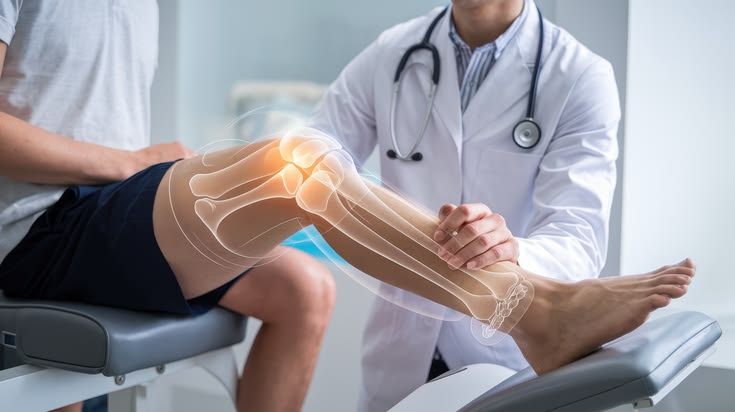
Full range of motion restored in the injured joint, with the stability to control it. No mobility without stability; no stability without mobility.
Objective ii.
Strength & neuromuscular control
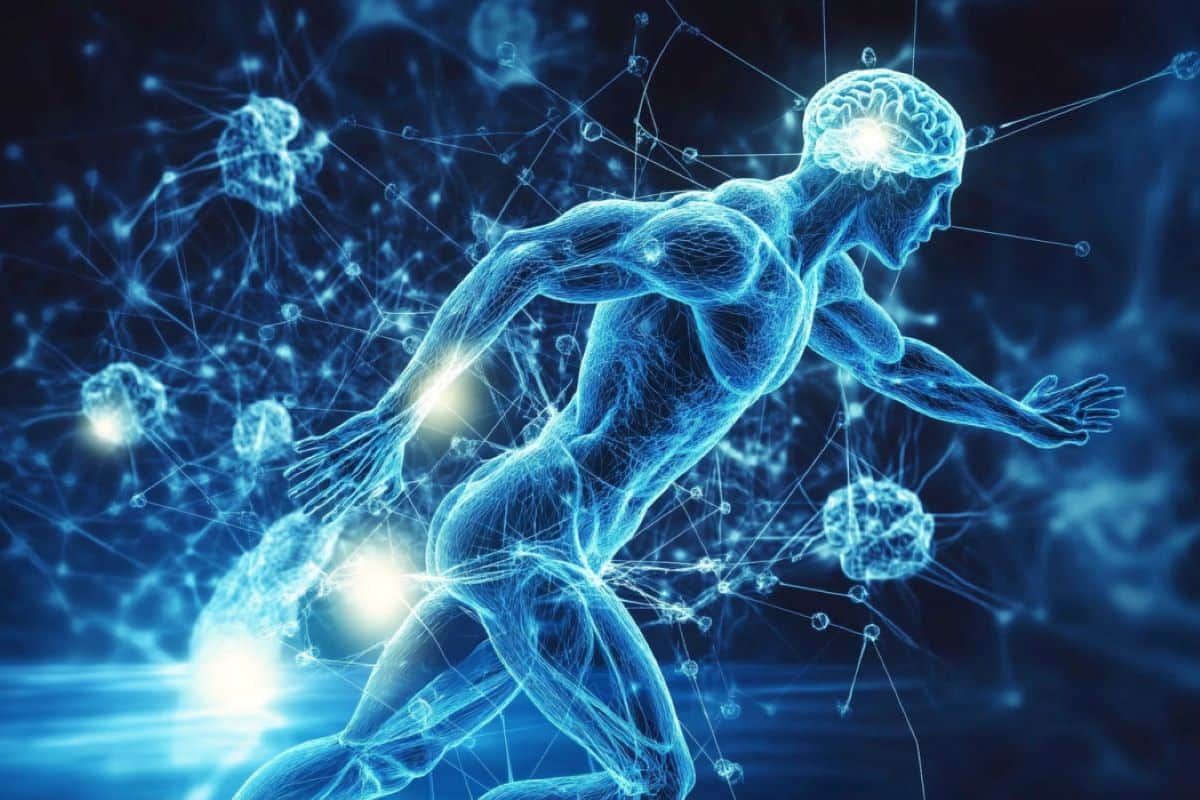
Muscles firing in the right sequence with the right force. Strength without coordination is just raw power that eventually reinjures the same tissue.
Objective iii.
Confidence in movement
Athletes who don't trust their own body guard against the movement that hurt them. That guarding is its own reinjury risk — we test for it and address it directly.
Objective iv.
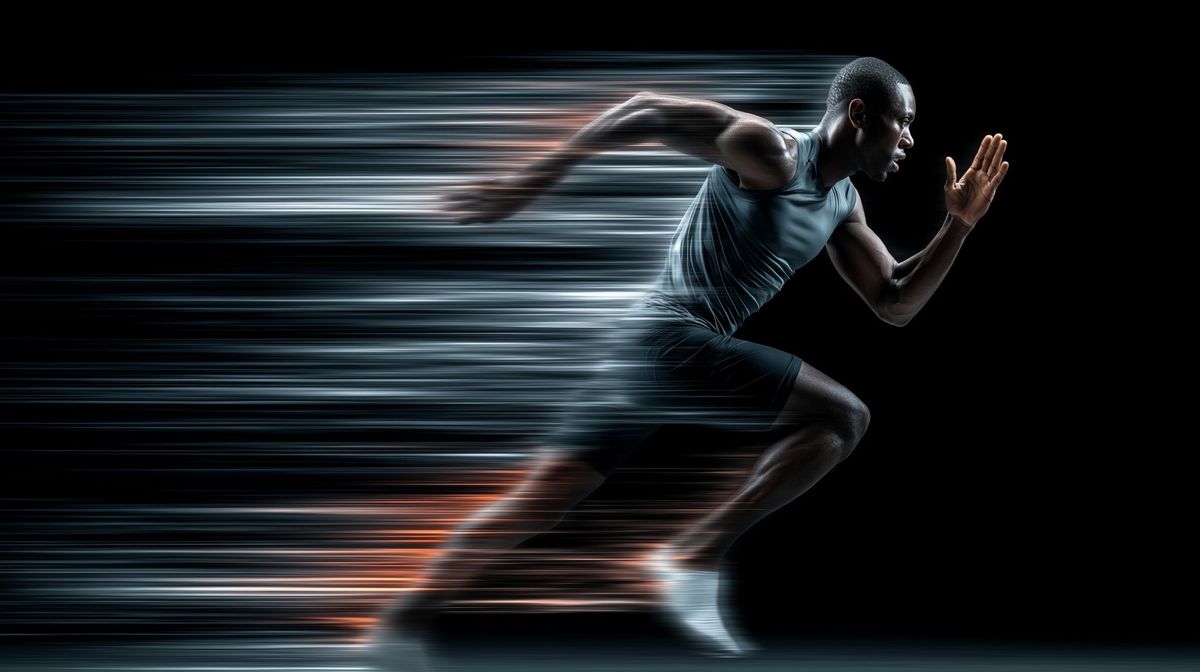
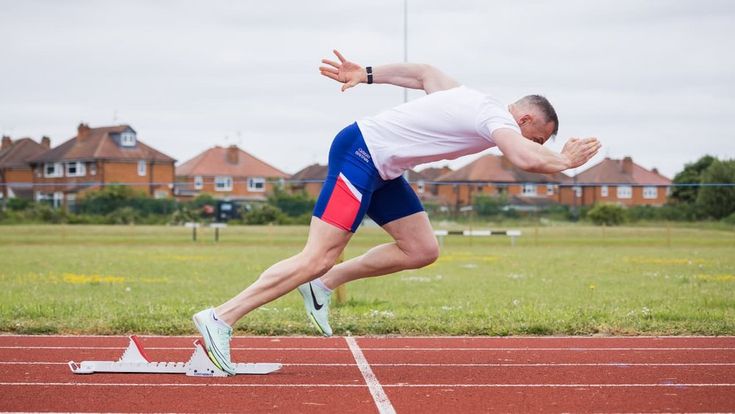
Sport-specific mechanics
The final rung. Whatever your sport demands — sprint mechanics, swim stroke, overhead pattern, lifting technique — it needs to come back clean before you do.
Addressing faulty movement patterns during recovery often leads not only to symptom resolution — but to improved performance and reduced reinjury risk when athletes return to play.
Who We Treat
Every level of athlete.
You're reading the general overview. Depending on what you need next, here are the three ways we
cover sports-injury care on the site.
i.
High School
Varsity · Club
ii.
Collegiate
NCAA · Club
iii.
Professional
Pro · Semi-Pro
iv.
Olympic
Team USA · Paralympic
v.
International
Pan Am · FICS
II. Beyond the acute injury
Ongoing care for injury prevention & longevity.
S
ports chiropractic care is not limited to acute injuries. Many athletes continue care to maintain joint mobility, improve recovery between training sessions, identify and address overuse patterns early, and support long-term athletic
S
ports chiropractic care is not limited to acute injuries. Many athletes continue
care to maintain joint mobility, improve recovery between training sessions, identify and address overuse patterns early, and support long-term athletic longevity.
This proactive approach is especially valuable for runners, weightlifters, endurance athletes, and aging athletes who want to remain active without recurring setbacks.
What to Expect
Individualized care plans, built on
four inputs.
Each athlete receives a plan tailored to their case. Treatment is active, collaborative, and
focused on long-term function — not temporary relief.
i
Injury history & clinical exam
Your full injury history, prior treatment, and a hands-on examination that identifies the specific tissues, joints, and patterns involved.
ii
Functional movement assessment
Biomechanical testing that reveals how your kinetic chain actually performs under load — the dysfunction the symptoms were telling you about.
iii
Sport-specific demands
Your training volume, technique, equipment, and competitive calendar — the context that shapes what "back to normal" actually means.
iv
Return-to-play goals
What you're returning to. The weekend tournament, the season opener, the race on the calendar — those drive the rehabilitation timeline, not a generic protocol.
Keep Reading
More from our sports medicine practice.
Specialty Overview
Sports Injury Chiropractic Care
The credentials, approach, and treatment toolkit behind our sports-medicine chiropractic care.
Sport-Specific
Sport-Specific Exams & Treatment
Injuries by sport — searchable reference covering 19 sports from tennis and triathlon to CrossFit and football.
For Athletes
Benefits of Spinal Adjustments for Athletes
Why competitive and recreational athletes use chiropractic care to recover faster and sharpen performance.
Expert Care Matters
Work directly
with a DACBSP®.
If injury, pain, or movement limitations are holding you back, you
deserve to work with a board-certified chiropractic sports medicine
specialist — not a generic provider. Take the next step toward
recovery, resilience, and peak performance.
If injury, pain, or movement limitations are holding you back, you
deserve to work with a board-certified chiropractic sports medicine specialist — not a generic provider. Take the next step toward recovery, resilience, and peak performance.
Trusted by Miami Beach families and elite athletes since 1990. Expert chiropractic care from Miami's only DACBSP® double board certified sports medicine specialist.
Authorized Thermophore Retailer — Miami-Dade's Only Location (In-Store Purchase)





SERVICES
RESOURCES
CONTACT